
Chinthani Withanachchi (Nursing Student)
Every year on 8 March, the world comes together to celebrate International Women’s Day. It is a day filled with appreciation, flowers, and inspiring messages. But beyond the celebration, it is also a moment to pause and reflect. Who is the modern woman today? What does she carry? And how can we, as a community at SAMK and Soteekki, better support her wellbeing?
International Women’s Day is not only about history and achievements. It is about real women around us — in classrooms, workplaces, homes, and healthcare settings — balancing responsibilities while building their futures.
The Many Roles of a Woman
A woman may be a mother who wakes up early to prepare her child for school before attending lectures. She may be a sister who supports her family emotionally from afar. She may be an employee working evening shifts after a full day of studies. She may be an entrepreneur developing new ideas. She may be a student trying to master assignments, exams, and practical training.
Often, she is all of these at once.
For many women studying at SAMK, life is a constant act of balancing. Finnish students may combine studies with part-time work and family responsibilities. International students may carry an additional emotional weight — adapting to a new culture, learning Finnish, navigating a different education system, and sometimes living far from their loved ones.
Behind every strong woman, there are quiet moments of effort that others may not see.
The Modern Woman in Finland
Finland is known globally for gender equality and opportunities for women. Institutions such as the European Institute for Gender Equality often rank Nordic countries highly in equality comparisons. Women in Finland participate actively in education, politics, healthcare, and business.
However, equality does not automatically remove pressure.
Today’s woman is often expected to succeed academically, grow professionally, maintain social relationships, stay healthy, and remain emotionally strong. Social media adds another layer of comparison. The idea of “having it all together” can become exhausting.
At Soteekki, especially in health and social care education, students are trained to care for others. But an important question remains: who is caring for the caregiver?
Why Women’s Wellbeing Matters
A healthy society depends on healthy individuals. Research from organizations like the World Health Organization highlights how mental and physical wellbeing directly influence productivity, learning capacity, and long-term health outcomes.
When a woman is overwhelmed, exhausted, or unsupported, it affects not only her academic performance but also her confidence and future professional life. When she is supported, respected, and encouraged, she thrives — and so does the community around her.
For students at SAMK, wellbeing is not separate from success. It is the foundation of it.
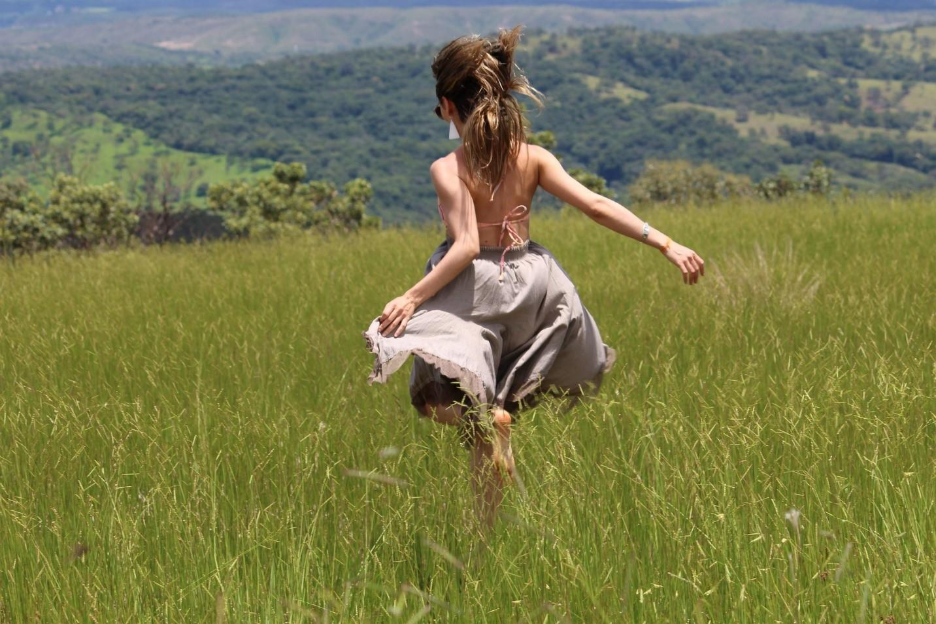
Image by https://pixabay.com/users/kenahlobo-14528545
Self-Care: Strength, Not Selfishness
One of the most powerful messages of International Women’s Day is that strength is not only about endurance. Strength also means knowing your limits.
Self-care can be simple but meaningful. It may mean allowing yourself to rest without guilt. It may mean saying no when your schedule is full. It may mean asking for academic guidance, mental health support, or simply sharing your stress with a friend. For international students, it may also mean staying connected to your home culture while building a new identity in Finland.
Taking care of yourself does not reduce your value as a student, mother, employee, or professional. It protects it.
A Message to Women at SAMK
To every woman studying at SAMK this International Women’s Day: you are doing more than you think.
You are building knowledge. You are creating opportunities. You are adapting, learning, growing, and contributing.
Your presence in classrooms, training units like Soteekki, workplaces, and communities matters. Whether you are Finnish or international, your journey adds diversity, resilience, and strength to the academic environment.
Let International Women’s Day be more than a celebration. Let it be a reminder that wellbeing is a shared responsibility. Let it encourage conversations about balance, support, and community. And most importantly, let it remind every woman that her value is not measured only by performance — but by her humanity, strength, and courage.
References
European Institute for Gender Equality (2023). Gender Equality Index. World Health Organization (2022). Self-care interventions for health and well-being. United Nations (n.d.). International Women’s Day background and history. Finnish Institute for Health and Welfare (THL) (2023). Mental wellbeing and gender.