

A help to understand neuropsychiatric behaviours and to provide a better support.
Autistic children often experience the world differently from non-autistic children. For them, sounds may feel louder, lights brighter, emotions more intense, and social situations more mentally exhausting. Because of this, many autistic children develop unique ways to regulate their nervous systems and emotions.
To outsiders, some of these behaviours may appear unusual or repetitive. However, research and modern autism understanding increasingly show that many of these behaviours are actually forms of self-regulation (ways children help themselves feel safe, calm, focused, or emotionally balanced).
What Is Self-Regulation?
Self-regulation refers to the brain’s ability to manage emotions, stress, attention, sensory input, and energy levels. It helps children stay calm enough to learn, communicate, and participate in daily life.
For autistic children, regulation can sometimes be more difficult/challenging because autism affects their:
- sensory processing
- emotional processing
- communication
- executive functioning
- stress responses
As a result, autistic children may become overwhelmed more easily or need different strategies to feel comfortable.
Stimming: A Natural Regulation Tool
One of the most common self-regulation strategies in autistic children is “stimming,” short term for self-stimulatory behaviour.
Stimming may include:
- hand flapping
- rocking
- spinning
- humming
- repeating words or sounds
- tapping objects
- pacing
Although stimming is often misunderstood, it can serve important purposes. It may help a child:
- reduce anxiety
- organize sensory information
- focus attention
- release emotional tension
- or create predictability
For many autistic children, stimming is not a “problematic behaviour.” It is a coping tool.
Sensory Regulation
Autistic children often experience sensory input differently. Some may be hypersensitive to noise, touch, light, or smells, while others may seek additional sensory input.
To regulate themselves, children may:
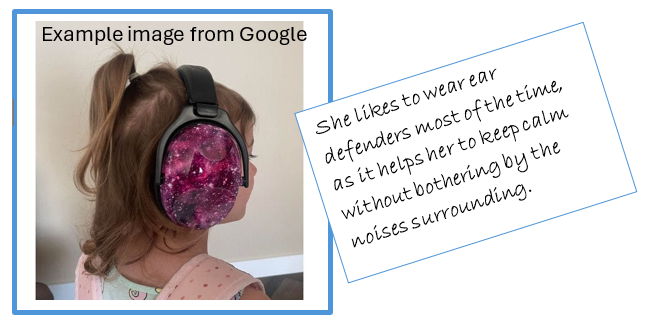
- cover their ears in noisy places
- seek deep pressure through hugs or weighted blankets
- jump or spin repeatedly
- chew on objects
- prefer dim lighting
- avoid crowded environments
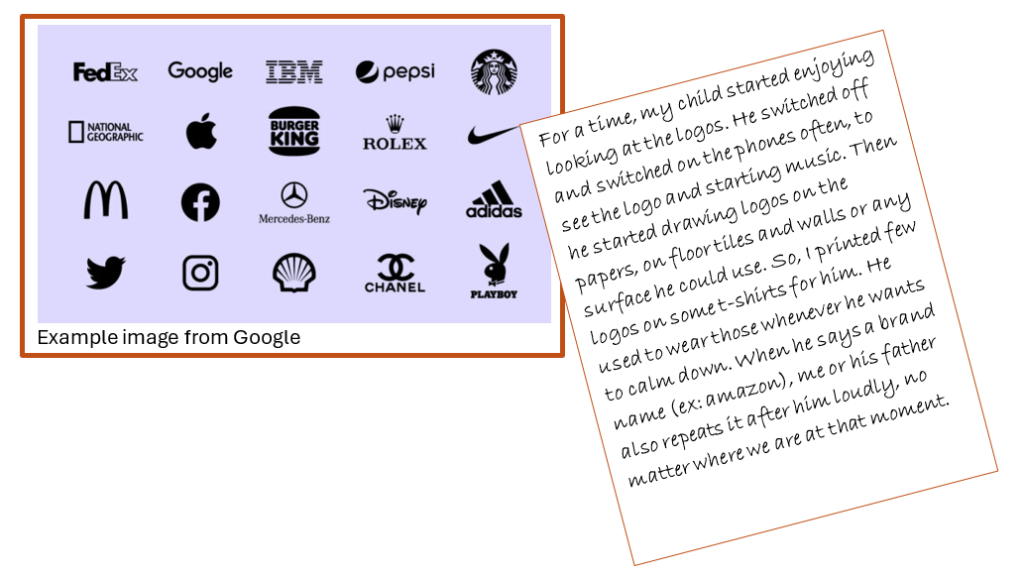
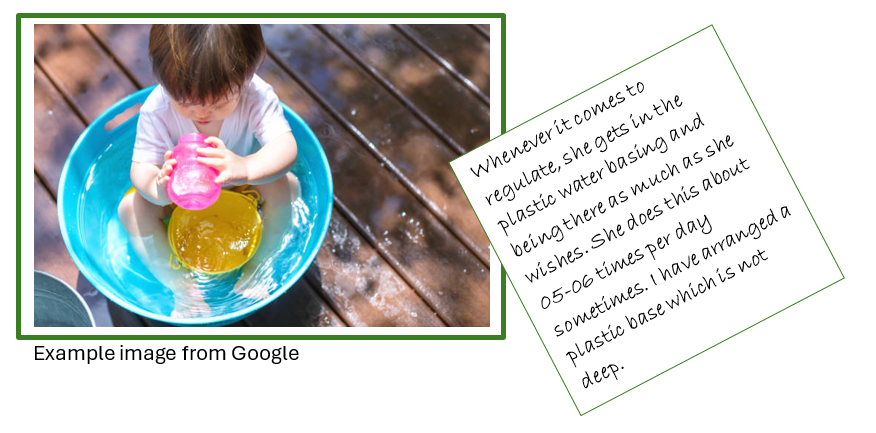
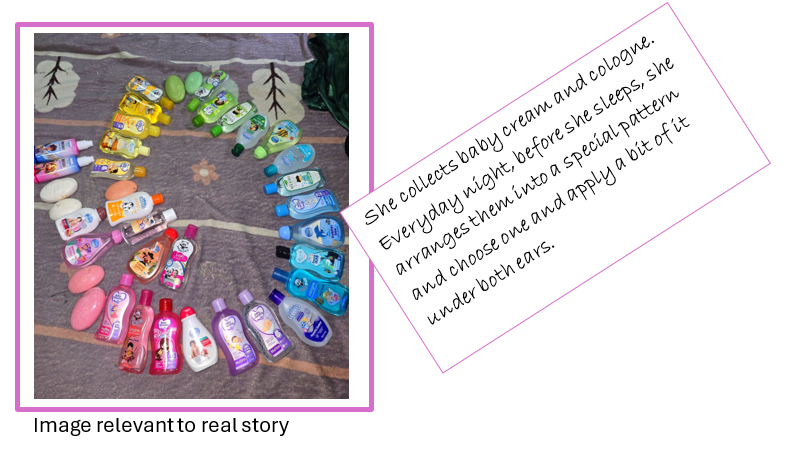
- or any individual behaviour which is special to their own neurological structure
These behaviours are often the child’s way of helping their nervous system feel balanced.
The Importance of Routine
Predictability can be deeply regulating for autistic children. Routines help reduce uncertainty and mental stress.
Many autistic children feel calmer when:
- daily schedules stay consistent
- transitions are explained in advance
- environments remain familiar
- expectations are clear
Unexpected changes may increase anxiety because the child’s brain may rely heavily on structure to feel secure.
Special Interests as Emotional Support
Autistic children often develop strong interests in specific topics such as trains, animals, maps, astronomy, music, or numbers.
These special interests can:
- reduce their stress
- provide comfort
- improve focus
- build confidence
- create joy
Research increasingly suggests that special interests are not simply “obsessions,” but can play an important role in emotional wellbeing and learning.
Meltdowns and Shutdowns
When an autistic child becomes overwhelmed, they may experience a meltdown or shutdown.
A meltdown is usually a response to nervous system overload and may involve:
- crying
- yelling
- aggression
- loss of emotional control
A shutdown may involve:
- silence
- withdrawal
- freezing
- reduced responsiveness
Importantly, these responses are generally not intentional misbehaviour. They are signs that the child’s brain and body are overwhelmed.
How Adults Can Help
Supporting self-regulation begins with understanding rather than punishment.
Helpful strategies include:
- creating predictable routines
Autistic children often feel more secure when daily activities follow a predictable pattern. Knowing what will happen next can reduce anxiety and emotional stress. Visual schedules, advance warnings before transitions, and consistent routines at home or school can help children feel calmer and more prepared.
- reducing sensory overload
Many autistic children are sensitive to sounds, lights, smells, textures, or crowded environments. Too much sensory input can overwhelm the nervous system and lead to stress, meltdowns, or shutdowns. Adults can help by creating quieter spaces, reducing unnecessary noise, adjusting lighting, or allowing the child to use sensory tools such as headphones or fidget items.
- allowing safe stimming
Stimming behaviours such as rocking, hand flapping, humming, or tapping can help autistic children regulate emotions and sensory input. As long as the behaviour is safe, allowing stimming can support emotional comfort and self control. Trying to stop harmless stimming may increase anxiety and stress.
- using visual supports
Many autistic children process visual information more easily than spoken instructions. Visual supports such as pictures, charts, symbols, timers, or written instructions can improve understanding and reduce confusion. These tools also help children know what to expect, which can lower stress levels.
- offering emotional reassurance
Autistic children may experience emotions very intensely and sometimes struggle to explain how they feel. Calm reassurance from trusted adults can help them feel safe during stressful situations. Using a gentle tone, validating feelings, and remaining patient can support emotional regulation.
- giving recovery time after stressful events
After overwhelming experiences such as social events, loud environments, or changes in routine, autistic children may need extra time to recover emotionally and mentally. Quiet time, preferred activities, or simply being alone for a while can help the nervous system return to a calmer state.
- respecting communication differences
Some autistic children communicate differently through gestures, visual aids, assistive technology, or delayed speech. Adults can support regulation by listening patiently, avoiding pressure, and adapting communication methods to the child’s needs. Feeling understood can greatly reduce frustration and emotional stress.
Many professionals now emphasize an important principle:
A regulated child learns better than a stressed child.
A Shift in Understanding Autism
In the past, many autistic behaviours were viewed only as symptoms to stop. Today, there is growing recognition that many behaviours are meaningful coping strategies.
Instead of asking:
“How do we stop this behaviour?”
A more helpful question may be:
“What is this child trying to regulate or communicate?”
This shift encourages more compassionate and supportive approaches to autism.
Final Thoughts
Autistic children regulate themselves in many ways; through movement, sensory strategies, routines, repetition, focused interests, and controlled environments. These behaviours are often the child’s way of managing stress and creating stability in a world that can sometimes feel overwhelming.
Understanding self-regulation helps parents, teachers, and caregivers respond with empathy rather than judgment. When autistic children feel safe, supported, and understood, they are better able to thrive emotionally, socially, and academically.
References
American Psychiatric Association. (2022). Diagnostic and statistical manual of mental disorders (5th ed., text rev.). American Psychiatric Publishing.
Grandin, T. (2006). Thinking in pictures: My life with autism. Vintage Books.
Kapp, S. K., Steward, R., Crane, L., Elliott, D., Elphick, C., Pellicano, E., & Russell, G. (2019). People should be allowed to do what they like: Autistic adults’ views and experiences of stimming. Autism, 23(7), 1782–1792. https://doi.org/10.1177/1362361319829628
Miller, L. J., Anzalone, M. E., Lane, S. J., Cermak, S. A., & Osten, E. T. (2007). Concept evolution in sensory integration: A proposed nosology for diagnosis. American Journal of Occupational Therapy, 61(2), 135–140. https://doi.org/10.5014/ajot.61.2.135
Paulauskaite, L., Ali, H., & Tickle, A. (2023). Exploring the experience of autistic burnout: A qualitative study. Autism in Adulthood, 5(1), 35–49. https://doi.org/10.1089/aut.2022.0023
Schaaf, R. C., & Mailloux, Z. (2015). Clinician’s guide for implementing Ayres Sensory Integration: Promoting participation for children with autism. AOTA Press.
Shore, S. (2004). Ask and tell: Self-advocacy and disclosure for people on the autism spectrum. Autism Asperger Publishing Company.
Siegel, B. (2003). Helping children with autism learn. Oxford University Press.
South, M., Beck, J. S., Lundwall, R., Christensen, M., Cutrer, E. A., Gabrielsen, T. P., & Cox, J. C. (2017). Unrelenting depression and suicidality in women with autistic traits. Journal of Autism and Developmental Disorders, 50(10), 3606–3619. https://doi.org/10.1007/s10803-019-04300-1 World Health Organization. (2023). Autism. https://www.who.int/news-room/fact-sheets/detail/autism
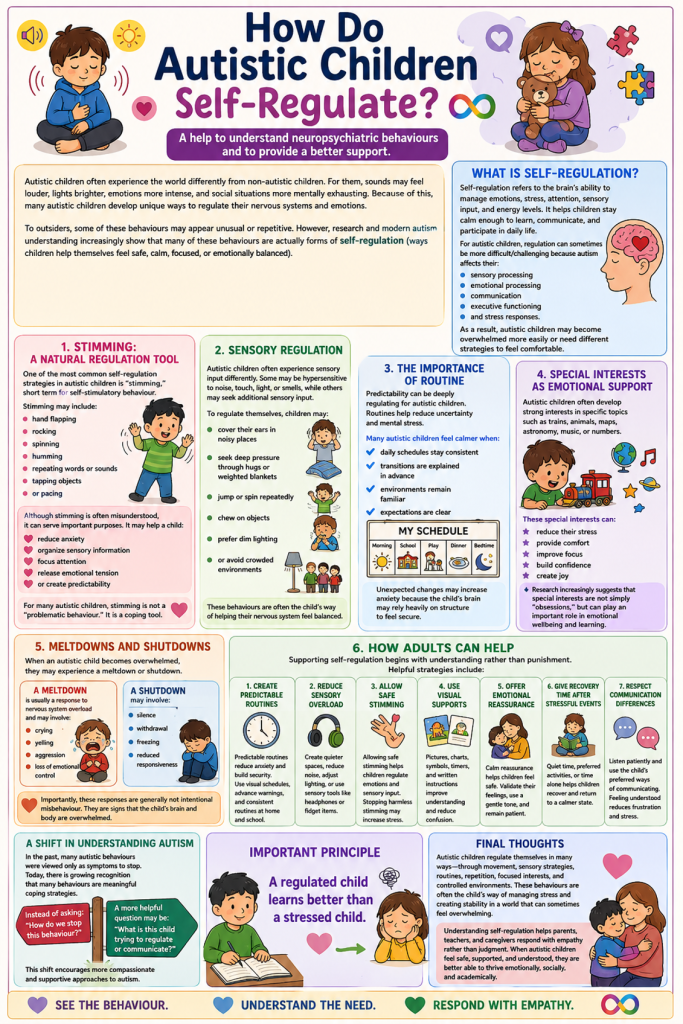
Summary Poster
Written By : Soteekki Student Chapa Kulasekara (28/05/2026)