

By – Devmi Perera
When was the last time you played a game just for fun?
Maybe you played cards with friends, danced to your favourite music, joined a sports activity, or laughed while playing a game with your family.
As children, playing is a natural part of everyday life. We run, jump, explore, and enjoy ourselves without worrying about being productive.
But as we grow older, life becomes filled with work, studies, family responsibilities, and daily routines. Slowly, we may begin to think that playing is something only children do.
But who decided that having fun should stop when we grow up?
Play is not only about toys or children’s games. It can include sports, dancing, puzzles, creative activities, and group games. These activities can offer enjoyment and support different aspects of well-being.
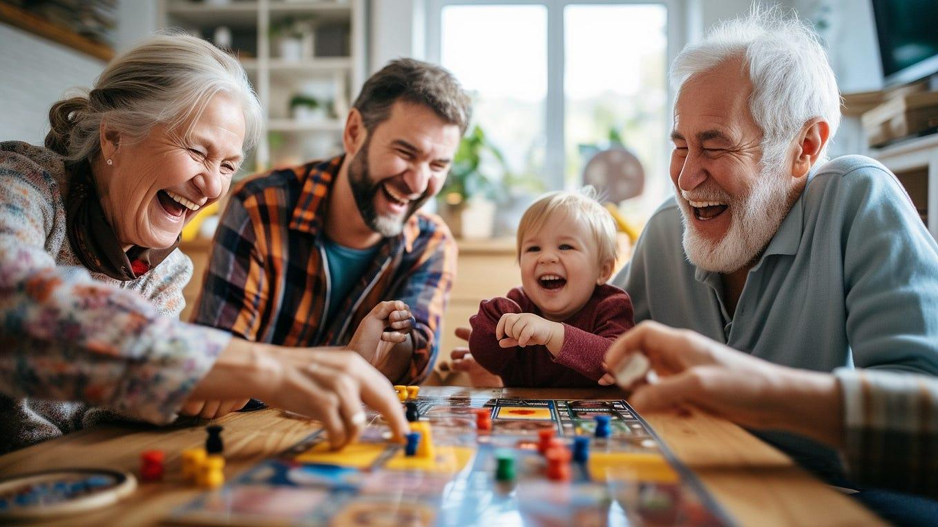
Figure 1. AI generated Illustration
Play Can Help Us Relax
Imagine spending the whole day studying or working. You have deadlines, responsibilities, and many things on your mind.
Later, you spend some time playing a game with friends. You laugh, enjoy the activity, and temporarily forget about your worries.
Enjoyable recreational activities can help people take a break from everyday stress and experience positive emotions.
However, not everyone enjoys the same activities. The important thing is to choose something that feels enjoyable rather than stressful.
Play Brings People Together
Have you noticed how people sometimes become more comfortable with each other while playing a game?
A group of strangers may initially feel shy. But when they begin a simple group activity, they may start laughing, communicating, and sharing ideas.
Board games, team sports, and recreational activities create opportunities for social interaction and cooperation.
Play can also bring together people of different ages, cultures, and backgrounds.
Sometimes, the most important part of a game is not winning but the people we share the experience with.
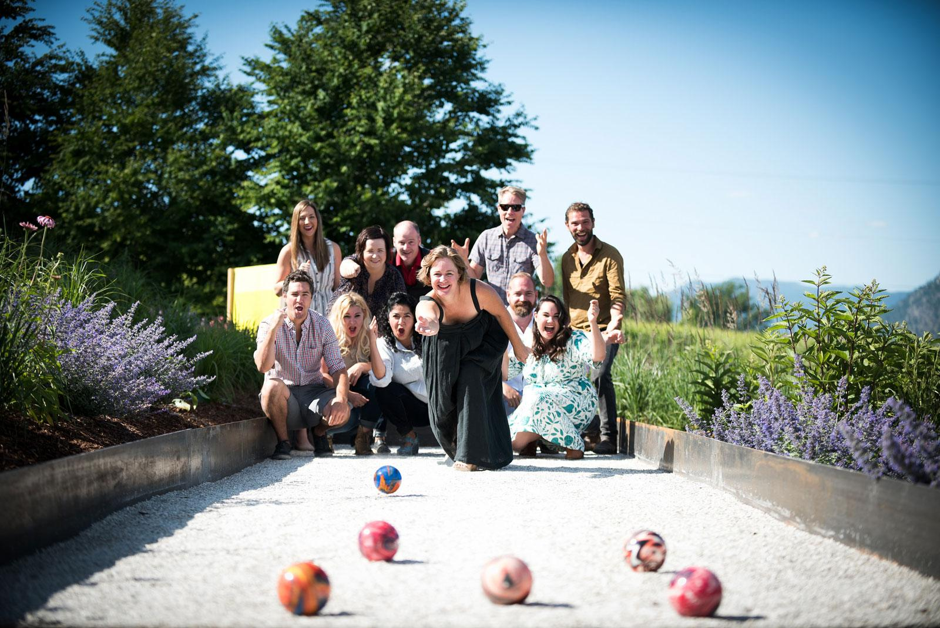
Figure 2. Original Image source Scout Magazine.
Play Keeps Us Moving and Learning
Not all physical activity needs to happen in a gym.
Dancing, badminton, swimming, cycling, and outdoor games are enjoyable ways to stay active.
According to the World Health Organization, regular physical activity supports physical and mental health.
Play can also encourage creativity and learning. Puzzles, word games, and group activities provide opportunities to practise problem-solving, communication, and decision-making.
These activities remind us that learning does not always have to happen in a classroom.
Why Do Adults Stop Playing?
One reason is that adults often have busy schedules and responsibilities.
Another reason may be social expectations. Some people feel that playing games is childish or that every activity should have a productive purpose.
However, relaxation, enjoyment, and social connection are also important parts of a balanced life.
Not everything we do needs to have a serious purpose. Sometimes, having fun is enough.
Why Play Matters in Elderly Care
Playful and recreational activities can also be valuable for older adults living in care homes.
Simple games and group activities can create opportunities for enjoyment, social interaction, gentle movement, and mental engagement.
For example, residents may enjoy card games, puzzles, quizzes, simple ball games, or other group activities.
These activities can be adapted to suit different physical abilities, interests, and cognitive needs.
For a person who has difficulty moving, a seated game may be more suitable. Someone who enjoys conversation may prefer a quiz or group discussion.
The main goal is not winning or completing an activity perfectly. It is helping people participate, enjoy themselves, and feel included.
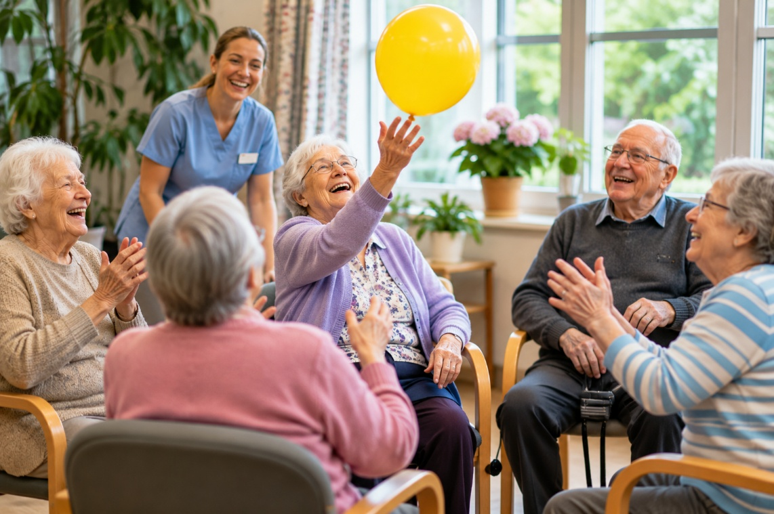
Figure 3. AI generated Illustration
How Can We Bring More Play into Everyday Life?
We do not need expensive equipment or a lot of free time to enjoy playful activities.
· Organise a game night with friends or family.
· Try dancing, swimming, or another enjoyable physical activity.
· Explore creative hobbies such as drawing or music.
· Join community games or recreational activities.
· Make time for simple activities that bring happiness and laughter.
The most important thing is to choose activities that suit our interests and abilities.
Conclusion
Play is not something we need to leave behind when childhood ends.
It can bring enjoyment, encourage physical activity, create opportunities for learning, and help people connect.
Whether we are children, young adults, or older adults living in care homes, enjoyable activities can remain an important part of everyday life.
Because growing older is a natural part of life, but losing our sense of fun does not have to be.
References
1. World Health Organization (WHO). Physical Activity. https://www.who.int/news-room/fact-sheets/detail/physical-activity
2. Centers for Disease Control and Prevention (CDC). Social Connection. https://www.cdc.gov/social-connectedness/about/index.html
3. Fancourt, D. & Finn, S. (2019). What is the evidence on the role of the arts in improving health and well-being? World Health Organization Regional Office for Europe. https://www.who.int/europe/publications/i/item/9789289054553